


Folding Pilates Reformer Buying Guide: What to Look for Before You Buy
There is a specific kind of frustration that comes from buying the wrong piece of fitness equipment. It sits in the corner, folds beautifully, stores flat and gets used twice. For folding compact pilates reformer, that frustration tends to follow a predictable pattern: the buyer focuses on the folded size and ignores everything else. But the size of the market does not make the purchasing process any easier. Rather, it makes the shelves even more overcrowded and erroneous selections even more difficult to identify.
- Sale price
- £589.99
- Regular price
-
£989.99 - Regular price
- £589.99
- Unit price
- per
- Sale price
- £699.00
- Regular price
-
- Regular price
- £699.00
- Unit price
- per
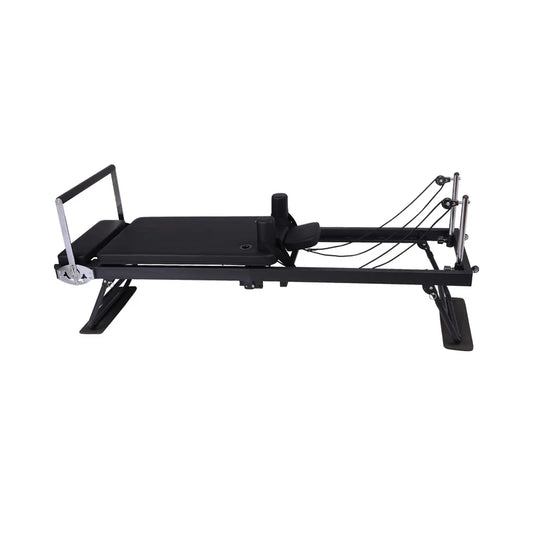
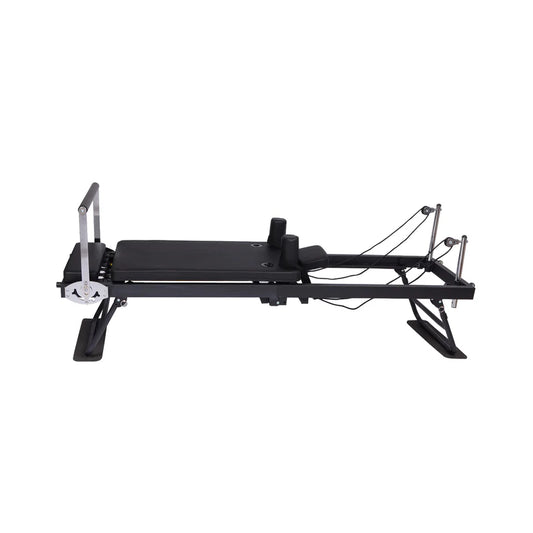
- Sale price
- £525.00
- Regular price
-
- Regular price
- £525.00
- Unit price
- per
With this folding pilates reformer buying guide, you will be able to make sense out of the whole situation. You will know precisely what needs to be considered before your investment, based on the distinctions between a long-lasting investment and an undesirable machine.
The Frame Is Where Cheap Goes First
Folding mechanisms add stress points that fixed reformers never have to absorb. With every opening and closing of the unit, it is the hinges, locking pins, and support rails that carry the load. In any sturdy frame, these parts are made from strong steel or aluminium aircraft materials. On a cheap one, they're stamped metal with plastic locking collars that loosen within weeks.
The material matters less than the quality of the joinery. Aluminium frames are lighter and rust-resistant; steel frames carry more load capacity but add weight. Either works well when manufactured properly. What to check: look for a weight capacity rated at 120kg or above, which signals the frame has been built with genuine structural headroom rather than being rated at the user's maximum body weight with nothing left in reserve.
Wobble is the simplest test. A properly locked reformer should feel completely solid before you put any body weight on it. If there is any lateral play in the frame once the locking mechanism is engaged, that flex will compound over time and eventually compromise both the exercise quality and the safety of the machine. This is an important consideration in any folding pilates reformer buying guide.
Spring Resistance: The Decision Most Buyers Rush
It is the springs that define your actual performance with the exercise device, and that is where most people new to this kind of equipment will forever regret their choice. Usually, there are 4 to 5 springs of different resistances available, which have been called light, medium, and heavy. Some entry-level foldable pilates reformer for home arrive with three springs, all the same weight. That is not adjustable resistance; that is a fixed-load machine with a misleading label.
The spring attachment system matters as well. Gear-bar hooks are the most versatile; they let you reposition springs quickly mid-session. Fixed-eye hooks are more common on budget models and require stopping to change resistance, which disrupts flow and becomes genuinely annoying during longer workouts.
| Spring Configuration | Typical Tier | What Does It Means in Practice? |
| 3 springs, uniform weight | Entry-level | Limited exercise variety, progression caps quickly |
| 4 springs, variable weight | Mid-range | Full beginner-to-intermediate programme range |
| 5 springs, variable + gear bar | Professional | Studio-grade versatility, long-term progression support |
| Cord-based resistance | Specialist | Smoother feel, less tactile feedback, suits advanced users |
Carriage and Padding: Where Comfort Becomes Structural
The carriage is the sliding platform you lie, sit, kneel, or stand on throughout the session. Its wheels or more precisely, the wheel system running along the rails determine how the carriage moves. The nylon wheel with aluminium track is quieter, but wears out faster if used intensively. The ball-bearing wheel with steel track will provide many years of smooth performance but will cost more money.
Padding depth is frequently misrepresented in product listings. A home reformer pilates machine listed as having a "padded carriage" may carry anything from 25mm of low-density foam to 65mm of high-density memory foam. Practically speaking, anything under 40mm will feel thin during longer sessions, particularly in exercises where body weight bears directly on the platform. Press for exact padding depth before purchasing; if a listing doesn't specify it, that is itself useful information about how the product is positioned.
The carriage should also have enough shoulder rest clearance for your height. Shoulder rests that sit too close together create compression across the trapezius during footwork; too far apart and they fail to provide the postural support they're designed for. Adjustable shoulder rests are worth paying for, particularly if more than one person will use the pilates machines for home.
The Two Measurements No One Thinks to Ask About
Every pilates reformer for small spaces listing includes a folded storage size. That number is almost always smaller and more appealing than reality because it reflects the minimum footprint at the tightest fold, which often doesn't account for the footbar or springs protruding from one end. The second measurement the workout footprint is almost never prominently listed, yet it's the one that determines whether the reformer physically fits in the room you're planning to use it in.
A standard folding reformer opens to approximately 240–260cm in length and 60–70cm in width, with a jump board or tower attachment adding further depth. That's a corridor-width rectangle of floor space that needs to be clear during use, not just during storage.
| Model Type | Typical Folded Length | Typical Workout Length | Recommended Room Minimum |
| Compact folding (entry) | 110–130cm | 220–240cm | 3m x 2m |
| Standard folding (mid) | 90–115cm | 240–260cm | 3.5m x 2m |
| Full-length folding (pro) | 100–120cm | 260–280cm | 4m x 2.2m |
| Folding with tower | 120–140cm | 260–280cm + 50cm depth | 4m x 2.5m |
Measure the room before you look at specs. Then measure it again with the door swing included, because the exit path matters when you're mid-session and your delivery of a machine this size goes through the front door once.
What the Price Tiers Are Actually Telling You?
Knowing how to choose a foldable pilates reformer starts with understanding what each price band genuinely represents. Folding reformers have a price range starting from about £300 all the way up to over £3,000 on the high end, and the variations within that price range are significant rather than superficial. Folding reformers below the £500 mark are generally targeted towards beginners or infrequent reformer users. At this tier, the frame tolerances are wider, spring quality is lower, and the carriage glide is noticeably less smooth which is not catastrophic for a beginner using light resistance, but becomes limiting quickly.
Mid-range models between £500 and £1,500 represent the most practical purchase for the majority of home users. The build quality of this category can allow regular usage three to five times per week through an intermediate training schedule, and the spring design is always varied enough to provide progress through a number of years before the equipment itself becomes a limitation.
A professional folding reformer over £1,500 is made according to studio specifications, meaning higher standards of manufacturing, replaceable parts, and warranties that demonstrate faith in the longevity of the product. As highlighted in this folding pilates reformer buying guide, nowadays, 70% of the gym users practice Pilates for their posture, muscles, and flexibility, and for this level of training, a machine of this standard deserves its cost.
Where Home Environment Thinking Meets Reformer Logic?
That reasoning translates directly to buying a pilates reformer machine. A machine that folds down attractively but opens into a space you don't have is no better than one you never buy. The question isn't just "does it fit when stored" it's whether your home genuinely accommodates what the machine requires when it's in use.
Who Folding Reformers Are Right for and Who Should Think Twice?
When weighing up foldable vs fixed pilates reformer options, the answer usually comes down to how your home is actually laid out. A folding reformer is a very good option for situations where your exercise space serves as a dual-purpose area. You are setting up an intermediate advanced level practice at home, or you require a machine that is able to be stored without having to move to another part of the house.

The caveat here is for the individual looking for the studio experience in a place that doesn’t allow it. No amount of clever folding solves the problem of a 260cm open carriage in a 280cm room. If your usable space is genuinely tight, a reformer of any type folding or fixed will frustrate you.
Consider also the weight. Even the lightest folding reformers run to 30–40kg. Moving them solo for storage and retrieval is physically manageable, but it stops being convenient after the first fortnight. If you're likely to store the machine regularly rather than leaving it set up, factor that into how realistically you'll use it.
The Final Check Before You Commit
This pilates reformer buying guide would not be complete without addressing the pace of market change. The Pilates reformers market in the UK will be worth USD 141.1 million in 2025 but will rise to USD 260.3 million by 2033. This implies that there will be many more product entries into the market on a quarterly basis and many more price points which obscure the difference between studio and storage quality. The way to cut through is to apply the same four checks to every machine you're considering:
Does the frame locking mechanism engage solidly with no lateral play? Can spring count and variety support the exercises you actually plan to do? Carriage wheel system smooth, consistent glide under load? Both footprints do the folded size fit your storage, and does the open size fit your workout space?
The same standard applies to any piece of home equipment worth buying: it should work as well in three years as it does on delivery day. A folding Pilates reformer that meets the checks above will do exactly that. One that skips them, at whatever price, won't.
Frequently Asked Questions
What Is the Most Important Feature to Check in A Folding Pilates Reformer?
What Is the Most Important Feature to Check in A Folding Pilates Reformer?
It needs to be a solid frame and have a good locking device. Should not wobble when locked and should provide a minimum capacity of 120kg, for increased comfort and safety.
How Many Springs Should A Good Folding Pilates Reformer Have?
How Many Springs Should A Good Folding Pilates Reformer Have?
A good-quality reformer ought to have 4 or 5 springs of different resistance. This offers a better variety of exercises and lets you build your exercise program over time.
How Much Space Do I Need for A Folding Pilates Reformer?
How Much Space Do I Need for A Folding Pilates Reformer?
Make sure that the folded respectively the workout footprint size does not exceed the available space. The space needed for most folding reformers when in use is approximately 3–4 metres of clear space.
Are Expensive Folding Pilates Reformers Worth the Extra Cost?
Are Expensive Folding Pilates Reformers Worth the Extra Cost?
The pros of the high cost models are, pretty much, that they are more robust, the carriage moves more cleanly, the springs are better, they have better warranties and are more easily serviced if any of the parts need to be replaced.
Who Should Buy A Folding Pilates Reformer?
Who Should Buy A Folding Pilates Reformer?
They're perfectly suited to the home user who must save space while maintaining fitness levels. But maybe not for extremely compact living areas or individuals who want to stash their machine around often.

Recent Posts


- Sale price
- £589.99
- Regular price
-
£989.99 - Regular price
- £589.99
- Unit price
- per
- Sale price
- £699.00
- Regular price
-
- Regular price
- £699.00
- Unit price
- per
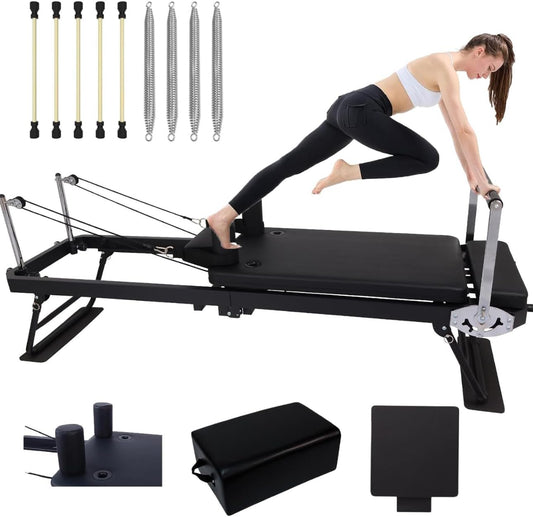
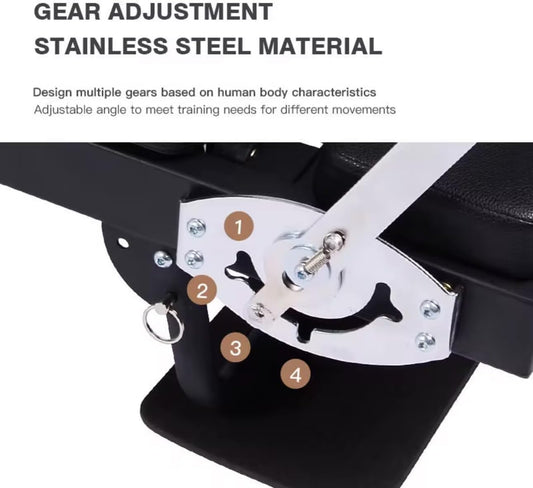
- Sale price
- £525.00
- Regular price
-
- Regular price
- £525.00
- Unit price
- per


