

What is Pilates?
What is Pilates gets asked constantly, even though the method's well over a century old now. Part of the confusion comes from people lumping it together with yoga. Part comes from "core work" being a lazy shorthand that doesn't actually explain what's going on inside a session. Pilates is a full system. Controlled, resistance-based, built to grow strength, flexibility and real body awareness all at once. Once the mechanics make sense, deciding whether it fits your goals becomes much easier. There's a reason this form of exercise has stuck around for a hundred years while most fitness trends die out in five.
- Sale price
- £589.99
- Regular price
-
£989.99 - Regular price
- £589.99
- Unit price
- per
What Is Reformer Pilates?
What is reformer Pilates comes up often enough as its own separate question that it deserves a direct answer here. The reformer allows much finer control over difficulty, makes certain exercises easier to approach for beginners or anyone managing an injury, and adds a strength layer that mat work alone doesn't fully replicate. It's become one of the most widely practised Pilates styles around, found in dedicated reformer studios and folded into general gyms too. Pilates for flexibility deserves its own mention.
How Does It Work?
This was created in the early 1900s by Joseph Pilates for the rehab of injured soldiers and dancers. Several concepts serve as the backbone of the entire way of practice: control, concentration, precision, breath, and what he called centring – moving from the deep core and not allowing the limbs to flail around on their own. Every exercise still runs on these same principles today, whether it's a mat or machine, it doesn't matter which.
The method trains muscles to move with control through a full range rather than letting momentum carry things along. Most strength training contracts a muscle once, calls it done. Pilates wants control on the way back too, working the muscle the entire distance. Which is exactly why the movements look slow and almost too simple from the sidelines, yet feel genuinely hard once you're actually inside one. Pilates Reformer Folding models have caught on too, mostly because they tuck away between sessions. Genuinely useful if space at home is tight.
The Real Benefits of Pilates
The benefits of Pilates go well beyond the tired "great for your core" line everyone keeps repeating. Real core strength is one piece, sure.
Works differently from holding a static stretch for thirty seconds and hoping something loosens. Because the muscle lengthens under active control instead of passive holding, the flexibility tends to be functional; it shows up while you're actually moving, not just while sitting still in a stretch. Posture follows similar logic: weak deep core and back muscles cause most slouching, and Pilates strengthens exactly those muscles. There's a mental side too, often skipped over entirely.
Pilates Exercises and What a Workout Actually Looks Like
A Pilates workout shifts shape depending on the equipment, but most sessions follow a familiar rhythm. Breathing and core activation to open things up. Controlled strengthening for the core, glutes, and upper body through the middle stretch of class.

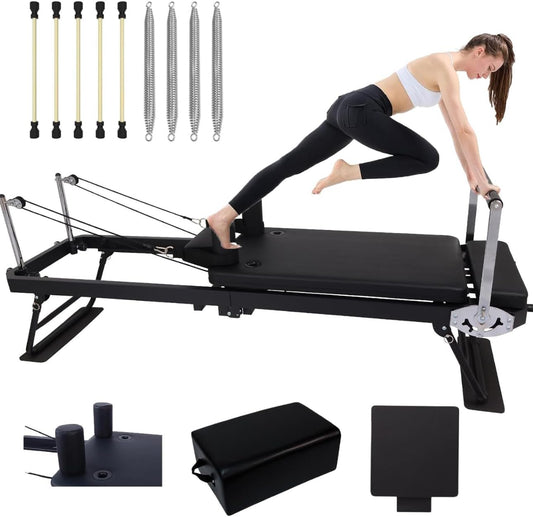
Some of the more recognisable Pilates exercises are the Hundred, a core-activation classic done lying down, legs raised, arms pumping in rhythm with the breath. Leg circles. The Roll-Up. Bridge work for glutes and hamstrings. On a reformer, the same ideas extend into resisted versions, springs adding tension that pushes the strength element up considerably.
Is Pilates Good for Beginners?
It's asked endlessly, and yes, generally, with one catch worth mentioning. Not every class is structured the same way. Pilates for beginners should start with breathing, alignment, and basic control, well before any heavier spring resistance or advanced sequencing enters the picture.
New students often assume the slow pace means easy. Rarely plays out that way once you're actually doing it. Muscles unused to sustained, controlled tension tyre fast, even when the movement looks gentle from outside the room. A properly built beginner class accounts for this instead of throwing someone straight into the deep end on day one.
The Equipment: Reformer, Wunda Chair, and the Rest
Mat Pilates needs nothing beyond a mat. But Joseph Pilates designed several machines that remain central to the method even now.
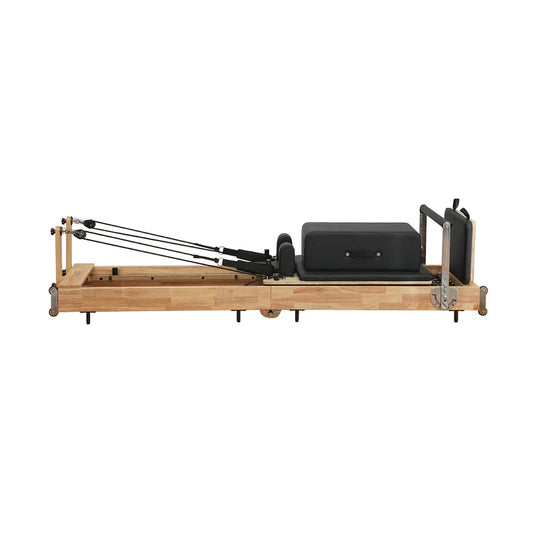
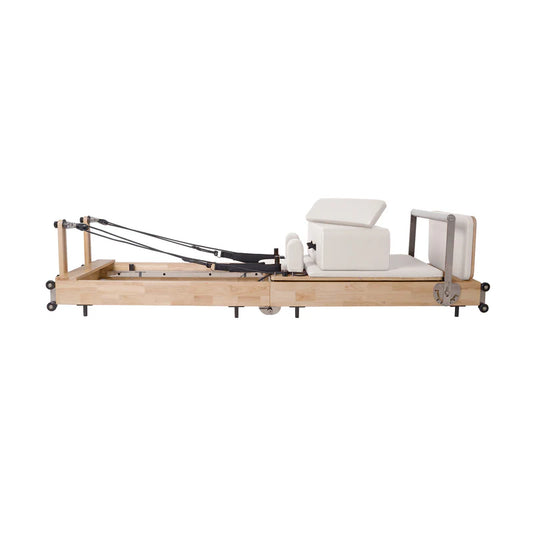
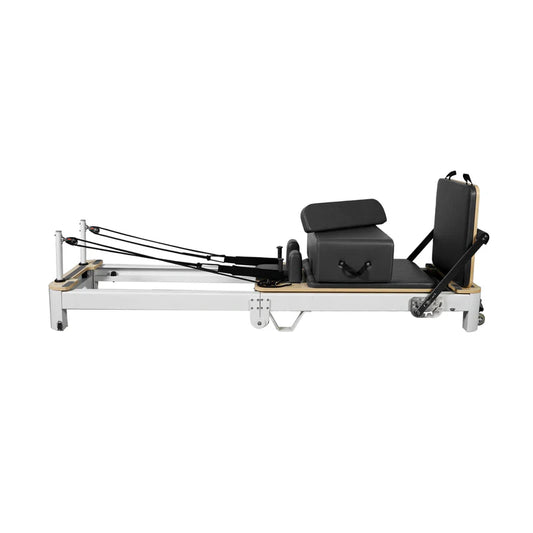
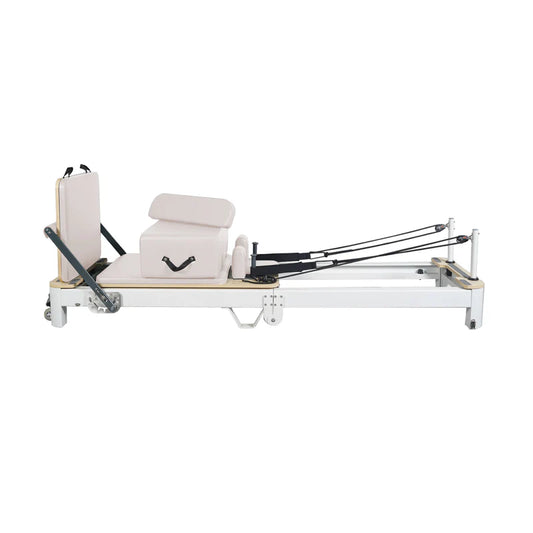
The reformer's the one most people picture as a sliding carriage on a frame with adjustable springs. Some call it the Pilates Reformer Bed because of its long, low shape, and it allows for a huge range of exercises lying down, seated, or kneeling, with resistance controlled entirely through the springs.
The Pilates Wunda Chair is smaller, far more compact, originally built for clients without much spare room. Don't let the size fool you, though; it offers genuinely tough exercises for strength and balance, used a fair amount by advanced practitioners or smaller studios where a full reformer just won't fit.
Where to Actually Start?
Anyone genuinely new is usually best served starting with a beginner mat class or an intro reformer session, ideally with someone qualified watching your form closely. Getting comfortable with breath, control, and centring early on makes everything that follows mat, reformer, Wunda Chair noticeably more effective down the line.
Pilates rewards patience over intensity, plain and simple. The benefits build steadily through consistent practice. Not through one heroic session that leaves you sore for a week and then never going back. Search Pilates Reformer UK and you'll find a wide spread of options, from compact home machines right through to full commercial studio equipment.
Frequently Asked Questions
What is Pilates, in simple terms?
What is Pilates, in simple terms?
This is a resistance-based exercise approach that emphasises the core, flexibility and body awareness, but is performed in a controlled manner. For most people, the difficulty can go up or down to work for them.
What are the benefits of Pilates that actually matter day to day?
What are the benefits of Pilates that actually matter day to day?
The actual benefits of Pilates include toning the core, enhancing posture, enhancing flexibility and reducing stress during movement with the breath. Not to mention, better balance and fewer aches and pains in the day thanks to better sitting balance.
Is Pilates good for beginners with no fitness background?
Is Pilates good for beginners with no fitness background?
Yes, provided the class is genuinely built for beginners. The slow pace makes it accessible, though untrained muscles will still find it challenging.
What's the actual difference between mat and reformer Pilates?
What's the actual difference between mat and reformer Pilates?
Mat uses body weight alone for resistance. Reformer adds a sliding carriage with springs, resisting movement in both directions, generally more versatile across difficulty levels.
What is the Wunda Chair actually used for?
What is the Wunda Chair actually used for?
A small piece of equipment for strengthening, balancing and stabilising exercises. A bit smaller than a reformer, popular at home or in a small studio...some exercises are pretty advanced.
Is a reformer better than a mat for someone just starting?
Is a reformer better than a mat for someone just starting?
Not strictly better, just different. The reformer often feels more supportive early on since the carriage assists movement. Mat builds solid control without needing equipment at all.
Worth getting a folding reformer for home use?
Worth getting a folding reformer for home use?
Generally, yes, with limited space. Check stability reviews first, though; folding mechanisms occasionally affect rigidity compared to fixed-frame machines.
How long before the benefits actually show up?
How long before the benefits actually show up?
Body awareness and posture often shift within the first few sessions. Strength and flexibility changes usually follow around four to six weeks in.

Recent Posts


- Sale price
- £589.99
- Regular price
-
£989.99 - Regular price
- £589.99
- Unit price
- per
- Sale price
- £699.00
- Regular price
-
- Regular price
- £699.00
- Unit price
- per
- Sale price
- £525.00
- Regular price
-
- Regular price
- £525.00
- Unit price
- per


