


How a Reformer Pilates Machine Works
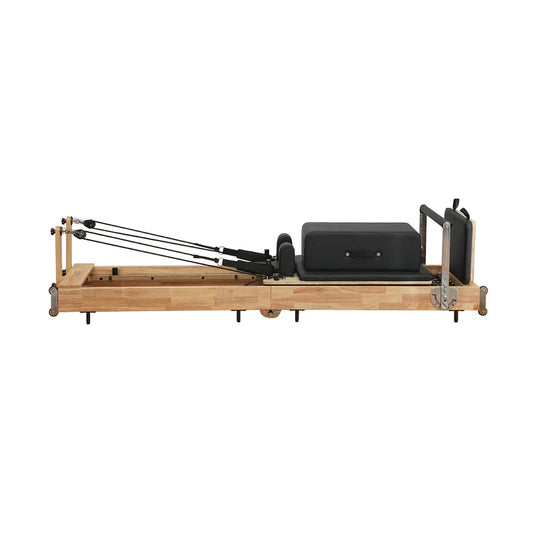
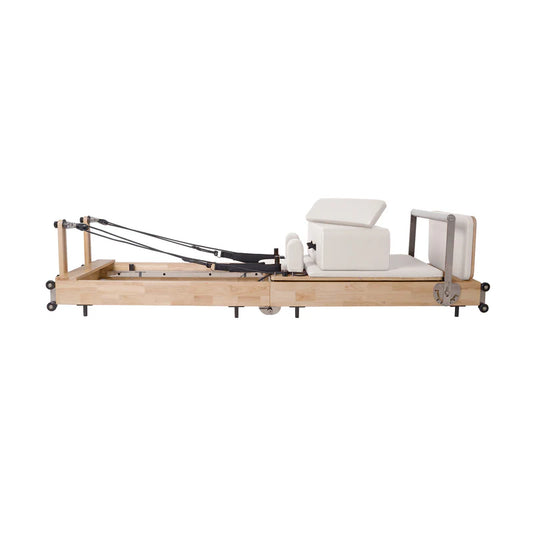
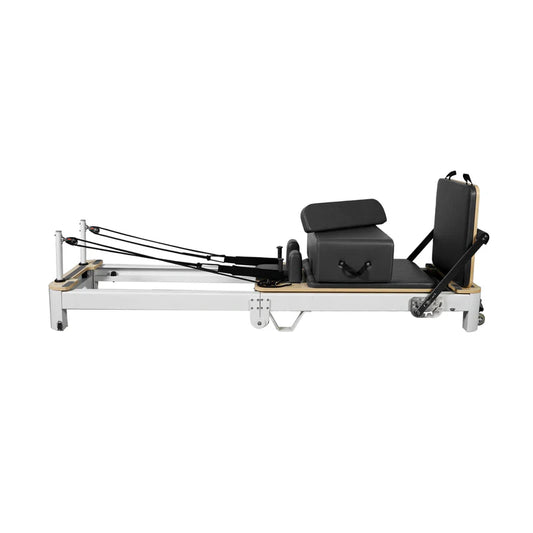
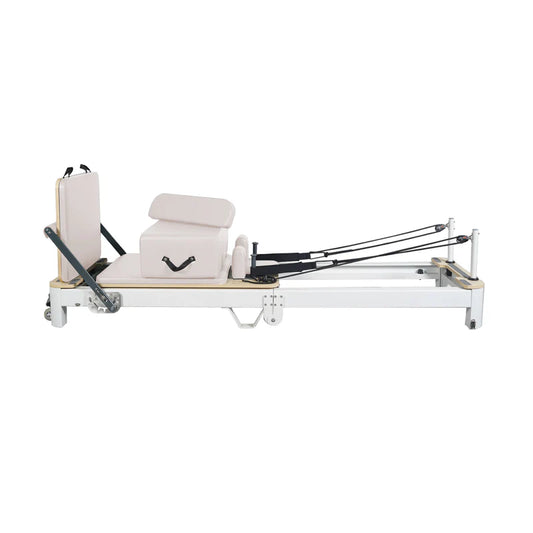
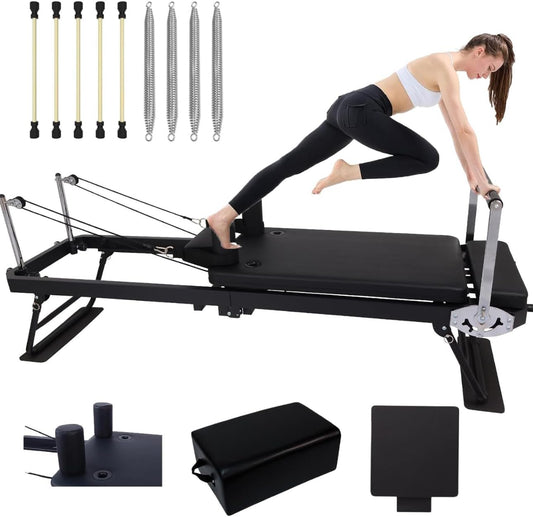
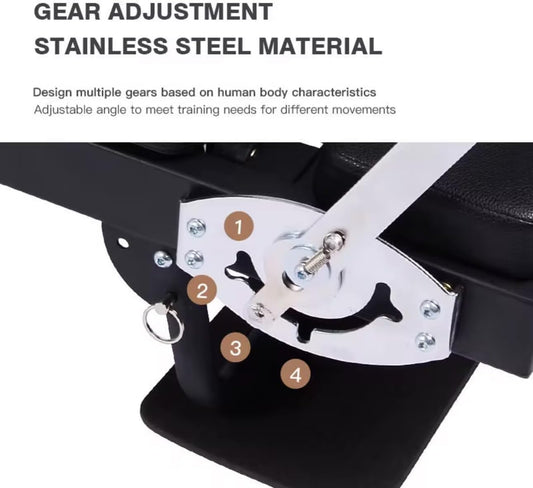
A Reformer Pilates machine may appear complicated at first, but its design is based on a simple principle: controlled movement combined with adjustable resistance. Rather than relying on heavy weights or high-impact exercises, the reformer uses springs, body positioning, and balance to create a full-body workout that improves strength, flexibility, posture, and coordination. The carriage is a padded platform (or bed) which slides easily on rails in and out of the machine, in the middle. The carriage is connected to a spring system that provides resistance for each exercise. The springs have different degrees of tension when the user pushes, pulls or stabilises the carriage. The resistance can also be adjusted to suit the level of fitness of the user on that specific exercise and the level of the exercise itself, suitable for beginners or experienced practitioners.
- Sale price
- £749.99
- Regular price
-
£989.99 - Regular price
- £749.99
- Unit price
- per
- Sale price
- £899.00
- Regular price
-
- Regular price
- £899.00
- Unit price
- per
One of the major differences between Reformer Pilates equipment and the gym equipment is the quality of movement that is promoted. Slow, controlled, and with emphasis on the posture, breathing, alignment, engagement of muscles, not on speed or repetition. As the body remains balanced and stable throughout the movement, it engages additional smaller muscles supporting larger muscles.
The reformer machine consists of the following components: The parts that are most commonly found on most reformer machines are:
- Carriage exercise – exercise done on the sliding platform
- It is important to remember that each of the following methods provides adjustable resistance:
- Push and stabilisation movements – supported by a footbar.
- Stabilisation footbar – supports pushing and stabilisation movements.
- Straps and handles – for arm and leg exercises
- Positioning and alignment support (shoulder blocks) – assist with positioning and alignment
How the Resistance System Works?
The amount of spring resistance alters the force of each movement. For example
Leg press
User pushes the carriage away with their feet on the foot bar During arm exercises, straps are pulled with core stability to preserve stability. Balance and plank exercises get harder as the carriage rolls under the body.
The reformer utilises a moving machine and this machine must be constantly regulated all along the pushing and returning part of the movement. This makes for a more dynamic training session that builds stability, coordination and muscular endurance in addition to strength. A further great benefit of Reformer Pilates equipment is its low impact. The smooth motion of the carriage eliminates pressure on the knees, hips, shoulders and spine, which is why it is a popular choice for rehabilitation, injury prevention and for long-term fitness training.
The Mechanics of the Workout
Reformer Pilates exercises focus on the flow and controlled movement, not on force or momentum. In a session, the body fights the springs and upsets themselves to their balance and alignment on the moving carriage. This means that muscles are continually activated during the entire range of motion, from the effort phase back to the starting position. Unlike most traditional exercises where movements can become repetitive or rushed, Reformer Pilates promotes precision and control. More subtle postural, breathing, and positioning changes can have a profound impact on how an exercise feels and which muscles are engaged.

Recent Posts


- Sale price
- £749.99
- Regular price
-
£989.99 - Regular price
- £749.99
- Unit price
- per
- Sale price
- £899.00
- Regular price
-
- Regular price
- £899.00
- Unit price
- per
- Sale price
- £525.00
- Regular price
-
- Regular price
- £525.00
- Unit price
- per


