


Metal Frame Pilates Reformers
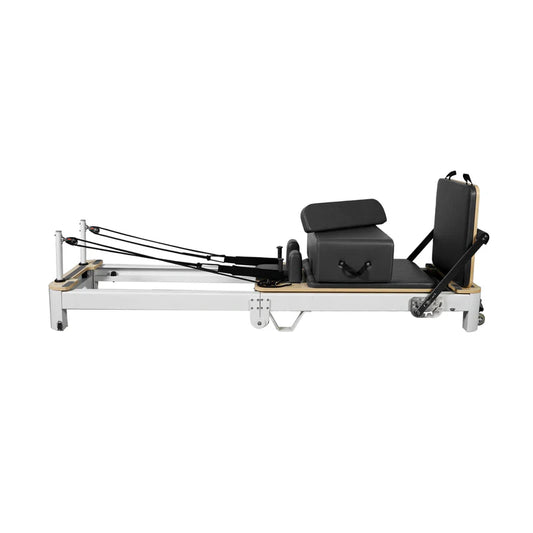
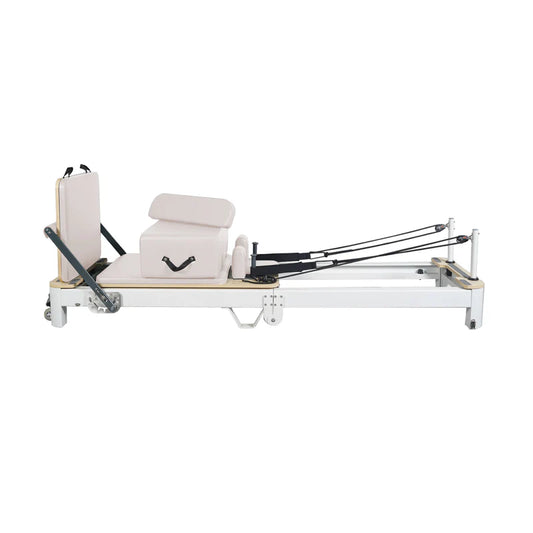
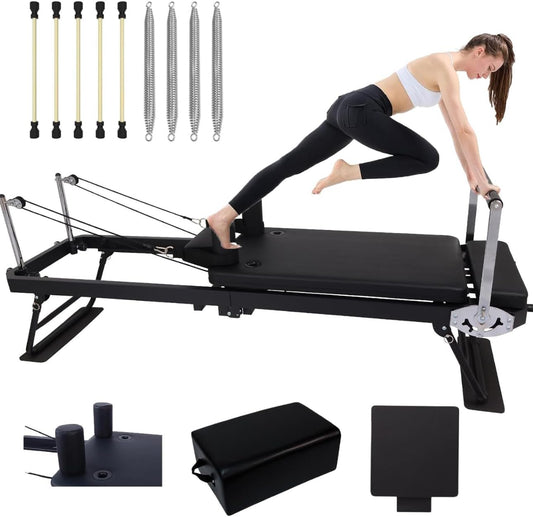
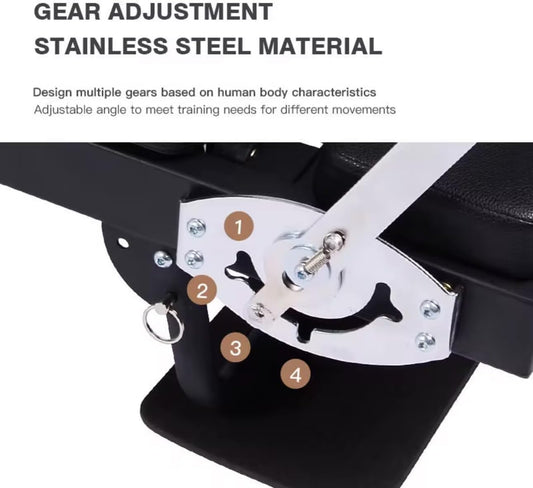
When researching Pilates reformers, frame material is often overlooked in favour of design or price. However, the choice between wood and metal has a significant impact on performance, durability, maintenance, and long-term reliability. In both home and studio settings, the frame influences how stable the machine feels during use and how well it withstands regular wear over time. Within the growing Pilates Reformer UK market, metal frame reformers have become an increasingly popular option for buyers seeking durability, practicality, and consistent performance.
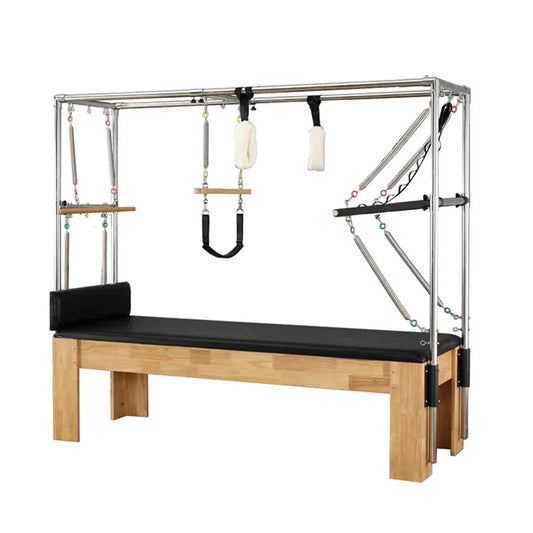
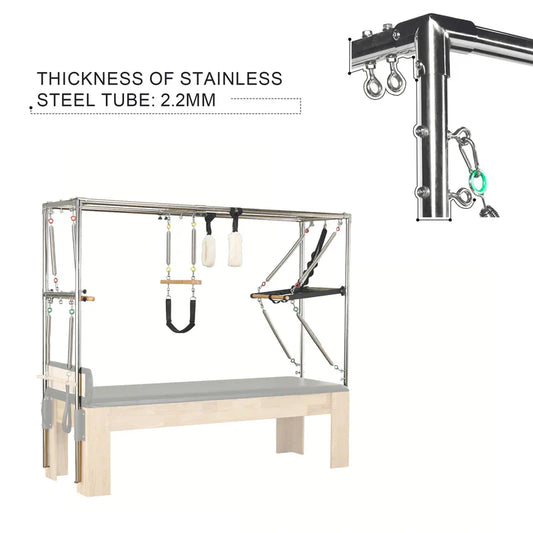
- Sale price
- £1,100.00
- Regular price
-
- Regular price
- £1,100.00
- Unit price
- per
What Materials Are Used in Metal Reformer Frames?
Most metal reformers use one of two materials: aluminium alloy or steel. Aluminium, often aircraft-grade, is the more common choice for quality home and mid-range studio machines. It's strong, light, and naturally rust-resistant, which matters in a country where damp is a constant consideration. Steel is heavier and even more robust, typically found in commercial and heavy-duty models where maximum longevity is the priority. Both are usually powder-coated or anodised to protect against corrosion and give the machine a clean, modern finish.
In the UK climate, wood can be unpredictable. Humidity fluctuations between a damp winter and a warmer, drier summer cause wooden frames to expand and contract slightly over time. Metal simply doesn't do that. It stays dimensionally stable regardless of what the weather is doing, which means consistent spring tension, consistent carriage movement, and fewer maintenance headaches. Metal frames also tend to be lighter than wooden ones of equivalent size, which makes them far more practical for home users who need to fold and move their machine regularly.
A couple worth mentioning. Metal frames can feel cold to the touch during winter workouts, which is noticeable if you exercise in bare feet. Some users also find metal carriages slightly louder than their wooden equivalents; you may hear a bit more movement during exercises. Neither is a dealbreaker for most people, and both tend to fade into the background once you're used to the machine.
Metal vs Wood:
For home users who need something that folds, moves without a forklift, and is not going to warp in a spare room, metal is the better choice. This is especially true for larger setups that may also incorporate equipment such as a Pilates Cadillac Reformer. For boutique studios chasing a warm, high-end aesthetic, wood has genuine appeal. For commercial settings where durability and ease of cleaning matter most, metal wins without much contest.
Finding the Right Pilates Reformer UK
The Pilates Reformer UK market now offers metal-frame options at every price point. For home buyers, Amazon UK stocks a wide range of foldable aluminium models from brands including Nexace and GRDSGRD, with prices from around £350 upwards. For studio and commercial buyers, Peak Pilates and Balanced Body are among the most reliable suppliers, with UK-based distribution and proper after-sales support. Whichever route you take, check the frame gauge, the weight capacity, and the spring system before committing those three things will tell you most of what you need to know about whether a machine will last.

Recent Posts


- Sale price
- £749.99
- Regular price
-
£989.99 - Regular price
- £749.99
- Unit price
- per
- Sale price
- £899.00
- Regular price
-
- Regular price
- £899.00
- Unit price
- per
- Sale price
- £525.00
- Regular price
-
- Regular price
- £525.00
- Unit price
- per


