


Can You Do Reformer Pilates While Pregnant? Everything You Need to Know
Pregnancy changes how your body moves, feels, rests, and responds to exercise. Some days you may feel strong and active. Other days, even a short walk can feel like a full workout. That is why many expectant mothers ask a very real question: Can you do reformer Pilates while pregnant?
- Sale price
- £699.00
- Regular price
-
- Regular price
- £699.00
- Unit price
- per
- Sale price
- £1,100.00
- Regular price
-
- Regular price
- £1,100.00
- Unit price
- per
For many women, the answer can be yes, but with the right guidance, proper modifications, and approval from a doctor or midwife. The NHS says staying active during pregnancy can help the body adapt to physical changes and support labour, as long as the activity feels comfortable.
Reformer Pilates is popular because it is controlled, low-impact, and focused on strength, posture, breathing, and body awareness. It is not about pushing hard or chasing intensity. During pregnancy, that matters. The goal is to move safely, support the changing body, and avoid unnecessary strain.
What Makes Reformer Pilates Popular During Pregnancy
Before asking whether you can do reformer Pilates while pregnant, it helps to understand why many pregnant women seek this form of exercise. Traditional fitness routines may feel intense or uncomfortable as the body changes. In contrast, this method focuses on stability, posture, and mobility. These areas are essential during pregnancy, especially as the centre of gravity shifts and joints become more flexible due to hormonal changes.

The movements are controlled and designed to strengthen deep abdominal muscles, pelvic floor, and back muscles. These areas help support the growing belly and reduce common discomfort such as lower back tension, hip stiffness, or posture issues.
Pregnancy-safe Pilates often focuses on:
- Pelvic floor awareness
- Core stability
- Hip mobility
- Back strength
- Posture support
- Breathing control
- Gentle full-body movement
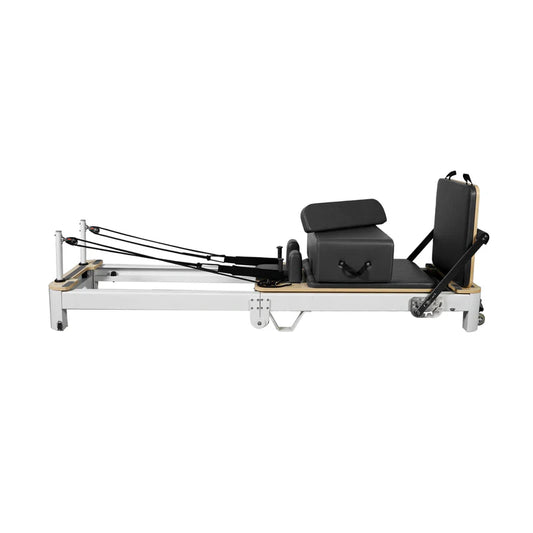
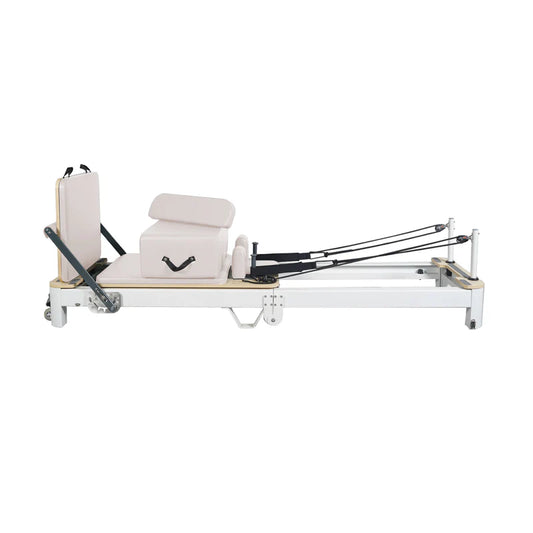
If you train in a studio, equipment quality also matters. A professional setup with Commercial Reformer Pilates can offer better control, smoother movement, and more stable support during modified prenatal sessions.
Is Reformer Pilates Safe While Pregnant?
Reformer Pilates can be safe for many pregnant women, but it should not be treated like a normal class without changes. Pregnancy needs a different approach.
Before starting or continuing, it is best to speak with your GP, midwife, or healthcare provider. This is especially important if you have a high-risk pregnancy, pelvic pain, bleeding, dizziness, previous complications, or have been advised to limit exercise.
The American College of Obstetricians and Gynaecologists says exercise during pregnancy is encouraged for many people, but some positions need care. For example, lying flat on your back for long periods after around 20 weeks may reduce venous return, so exercises are often modified.
First Trimester: What to Keep in Mind
During the first trimester, many women can continue with familiar movement if they feel well and have medical clearance. The main challenge is often fatigue, nausea, and changing energy levels.
At this stage, reformer Pilates may focus on gentle strength, breath control, and alignment. It is not the time to increase intensity suddenly. If you are new to reformer Pilates, start slowly and work with someone who understands prenatal movement.
Some people prefer training at home for comfort. In that case, a space-saving Fold Pilates Machine may help, but beginners should still get professional guidance before practising pregnancy exercises alone.
Second Trimester: Important Modifications
The second trimester is when modifications become more important. The bump is growing, balance may change, and lying flat for long periods may no longer feel comfortable.
A prenatal reformer class may include:
- Side-lying leg work
- Seated arm exercises
- Supported kneeling movements
- Gentle hip mobility
- Inclined positions
- Breath-led pelvic floor work
Deep twists, strong abdominal crunches, intense planks, and unsupported balance work are usually avoided or adapted. The aim is to support the body, not overload it.
Third Trimester: Comfort Comes First
By the third trimester, the focus often shifts from strength building to comfort, mobility, breath, and preparation for birth. Sessions may become slower and more supportive.
Movements should feel stable and controlled. If the balance feels off, the instructor should reduce complexity. If pressure appears in the abdomen, pelvis, or lower back, the movement should stop or be changed.
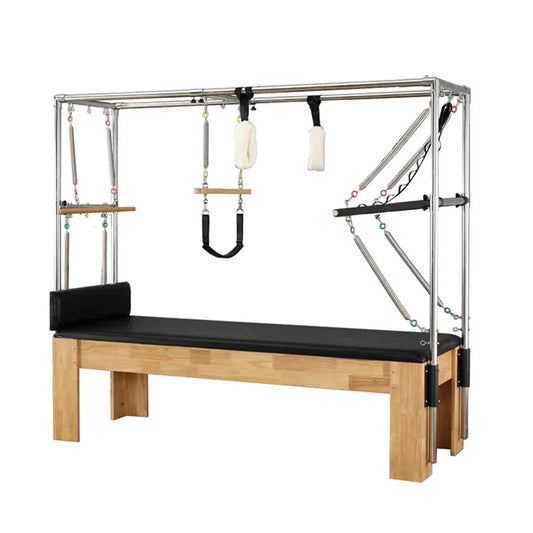
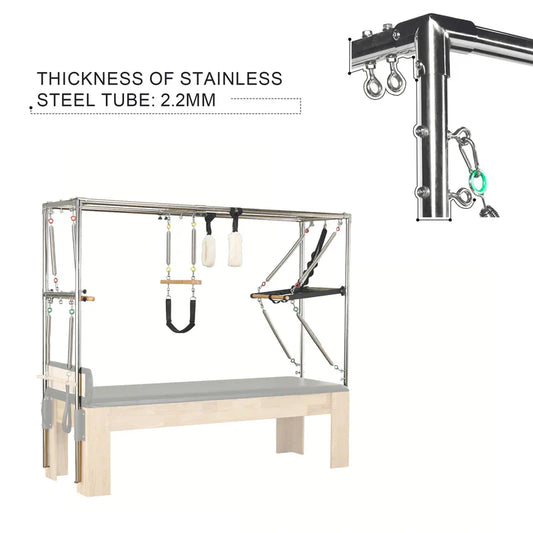
A larger studio setup, such as a Pilates Cadillac For Sale style system used in professional spaces, can offer extra support for modified exercises, but it should still be used under proper supervision during pregnancy.
Many readers also compare pregnancy-safe Pilates with general Pilates Reformer Before and after results to understand how the body may change over time. During pregnancy, the goal is not a dramatic transformation.
Benefits of Reformer Pilates During Pregnancy
Many women feel stronger and more balanced during and after pregnancy when practising regularly. Some of the most appreciated benefits include:
- Stronger pelvic floor.
- Improved posture.
- Better mobility and circulation.
- Reduced muscle discomfort.
- Increased body awareness and breath connection.
These supportive improvements often help during labour, recovery, and daily movement. As the body grows, controlling how muscles engage becomes more critical. The deliberate pace used in Reformer Pilates gives space to think about movement rather than rushing through it.
Modifications That Matter
If you are considering this style of movement, the question is, can you do reformer Pilates while pregnant? Shifts into how you can do it safely. Prenatal modifications may include:
- Using lighter springs for support.
- Avoid deep twists and crunch-style exercises.
- Replacing supine positions after the first trimester.
- Prioritising spinal mobility and hip stability.
- Using additional props for balance and comfort.
These adjustments protect the core and pelvic floor while supporting functional strength.
If you already own Pilates Machines For Home, this is the stage where you should be extra careful with online workouts. Not every Pilates video is designed for pregnancy, and not every move is suitable for every trimester.
Reformer Pilates at Home During Pregnancy
Home reformer Pilates can be convenient, especially if travelling to a studio feels tiring. However, pregnancy changes the safety rules.
If you use a Pilates Bed Reformer at home, make sure the machine is stable, the resistance is suitable, and the exercises are pregnancy-safe. Avoid copying advanced reformer workouts unless they are created specifically for prenatal training.

Postpartum Reformer Pilates
Many women return to reformer Pilates after birth because it can help rebuild strength, posture, and core connection. However, returning too soon can slow recovery.
Wait until your doctor, midwife, or physiotherapist clears you for exercise. The timeline is different for everyone, especially after a C-section, tearing, pelvic floor symptoms, or diastasis recti.
Postpartum Pilates should begin gently with breathwork, pelvic floor awareness, mobility, and gradual core reconnection.
Final Thoughts
So, can you do reformer Pilates while pregnant? For many women, yes, but only with medical clearance, prenatal modifications, and proper instruction.
The best pregnancy reformer Pilates is not intense or complicated. It is calm, supportive, and built around the body you have that day. It can help with posture, mobility, strength, breath, and confidence through each stage of pregnancy.
Listen to your body. Choose a qualified instructor. Avoid exercises that feel uncomfortable. And remember, pregnancy movement is not about doing more. It is about moving well.
FAQs
Can you do reformer Pilates while pregnant?
Can you do reformer Pilates while pregnant?
Yes, many women can do reformer Pilates while pregnant, but it should be modified for pregnancy and approved by a healthcare professional. The safest option is to work with a certified prenatal Pilates instructor.
Is reformer Pilates safe in the first trimester?
Is reformer Pilates safe in the first trimester?
For many women, reformer Pilates can be safe in the first trimester if there are no complications. However, tiredness and nausea are common, so sessions should stay gentle and comfortable.
When should I modify reformer Pilates during pregnancy?
When should I modify reformer Pilates during pregnancy?
Most people need more modifications from the second trimester onwards. This often includes avoiding long periods lying flat, reducing intense core work, and using side-lying or seated positions.
Can reformer Pilates help with pregnancy back pain?
Can reformer Pilates help with pregnancy back pain?
It may help support posture, back strength, hip mobility, and core control, which can reduce some movement-related discomfort. However, ongoing or severe pain should always be checked by a professional.
Can beginners start reformer Pilates while pregnant?
Can beginners start reformer Pilates while pregnant?
Yes, but beginners should avoid general fast-paced classes. A prenatal class or one-to-one session is safer because the instructor can adapt movements properly.
What reformer Pilates exercises should be avoided in pregnancy?
What reformer Pilates exercises should be avoided in pregnancy?
Deep crunches, strong twists, lying on the stomach, long supine positions, and high-pressure core exercises are usually avoided or modified during pregnancy.
Is reformer Pilates good for pelvic floor strength?
Is reformer Pilates good for pelvic floor strength?
It can support pelvic floor awareness when taught correctly. The focus should be gentle activation, breathing, and control rather than strong gripping or overworking the muscles.
Can I use Pilates equipment at home while pregnant?
Can I use Pilates equipment at home while pregnant?
Yes, but only if you know how to use it safely and follow prenatal-friendly exercises. Home equipment should be stable, comfortable, and used with proper guidance.
How often can I do reformer Pilates during pregnancy?
How often can I do reformer Pilates during pregnancy?
Many women do one to three gentle sessions per week, depending on comfort, fitness level, and medical advice. The right frequency depends on how your body feels.
When can I restart reformer Pilates after birth?
When can I restart reformer Pilates after birth?
You should wait until you are cleared by your doctor, midwife, or physiotherapist. Postpartum recovery is personal, so it is better to return slowly than rush.

Recent Posts


- Sale price
- £589.99
- Regular price
-
£989.99 - Regular price
- £589.99
- Unit price
- per
- Sale price
- £699.00
- Regular price
-
- Regular price
- £699.00
- Unit price
- per
- Sale price
- £525.00
- Regular price
-
- Regular price
- £525.00
- Unit price
- per


